Our Point of Difference
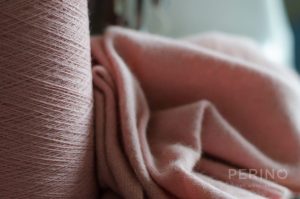
Made possible by the inclusion of Brushtail Possum fibre, these highly-valued points of difference create limitless possibilities for fashion designers. Perino is a series of firsts for the senses. So soft, it floats like mist along the body’s horizon. So light, it creates volume without the weight. So warm, you can be minimal with maximum impact. Like a hazy silhouette at sunrise, garments have a distinctive halo-like layer which, with almost no-pilling, leave an impression to last a lifetime.

Softness
Lightweight & Comfortable
Brushtail Possum fibres are tapered in shape and only 1-2 microns at the tip. This unique feature provides fabrics with superior softness. Brushtail Possum fibres are hollow and when finished they burst to the surface of fabric. This ‘halo effect’ creates its lightness of touch.
Method: Fabric softness was determined using a Comparison Directional test based on ISO 5495: 1983 Sensory Analysis using 10 judges to blind test 12 pairs of fabric specimens.
Result: Perino Cirrus fabric was perceived as softer than the 100% Merino fabric, and comparable to the 100% cashmere fabric.
Fabrics (single jersey) were manufactured from the following yarns:
Perino Cirrus (Blend – 40% NZ brushtail possum, 40% cashmere & 20% mulberry silk)
100% Cashmere,
100% Merino.
All yarns were 2/28Nm in thickness and all three were knitted into the same fabric measurement using a 12-gauge Shima Seiki knitting machine, with the same single jersey knit structure and tension.
*This research was carried out by Clothing and Textiles Centre, University of Otago, New Zealand.

Warmth
Exceptional Insulation
Brushtail Possum fibres have hollow core pockets, meaning the individual fibres trap and retain more warmth for the wearer compared to other fibres. This offers the wearer superior warmth with a lighter weight garment.
Method: Five fabrics were manufactured from the following yarns:
- Perino Alto (Blend -70% ZQ Merino 30% Brushtail Possum)
- Perino Cirrus (Blend – 40% Cashmere 40% Brushtail Possum 20% Mulberry Silk)
- Perino Nimbus (Blend – 65% ZQ Merino 25% Brushtail Possum 10% Mulberry Silk)
- 100% Cashmere
- 100% Merino
All yarns were 2/28NM and the fabrics were knitted to the same measurements using a 12-gauge Shima Seiki knitting machine, with the same single jersey knit structure and tension.
Thermal resistance was determined following ISO 11092:2014: Measurement of thermal and water-vapour resistance under steady-state conditions, where a sweating guarded hotplate was used to determine the thermal resistance of each fabric sample.
Result: Perino blends Alto, Cirrus and Nimbus were the most thermally resistant, exhibiting superior warmth per g of fabric and per mm of fabric thickness.
|
Fabric Blend |
Thermal Resistance (m2K/W) |
|||
|
Perino Alto (Blend -70% ZQ Merino 30% Brushtail Possum) |
0.109 |
|||
|
Perino Cirrus (Blend – 40% Cashmere 40% Brushtail Possum 20% Mulberry Silk) |
0.11 |
|||
|
Perino Nimbus (Blend – 65% ZQ Merino 25% Brushtail Possum 10% Mulberry Silk) |
0.093 |
|||
|
100% Cashmere |
0.079 |
|||
|
100% Merino |
0.063 |
|||
Perino Alto’s thermal resistance was approximately 73% greater than the 100% merino fabric and 38% greater than the 100% cashmere fabric.
Perino Cirrus’ thermal resistance was approximately 75% greater than the 100% merino fabric and 40% greater than the 100% cashmere fabric.
Perino Nimbus’ thermal resistance was approximately 48% greater than the 100% merino fabric and 18% greater than the 100% cashmere fabric.
* this research was carried out by Centro Tessile Cotoniero e Abbiglaimento S.p.A. in Italy. The same test was completed by the Clothing and Textiles Centre, University of Otago, New Zealand, on three fabric samples; Perino Cirrus blend, 100% Cashmere, and 100% Merino, and found Perino Cirrus to be the most thermally resistant.

Durability
Long Lasting & Breathable
Perino fabrics are less inclined to pill due to the unique fibre structure of the brushtail possum. It has a tapered tip at 1-2 micron and a very low scale structure. Combined with the unique way Perino yarns are knitted and finished (the brushtail fibre is raised to the surface) there is a reduced chance of pills forming and attaching. This provides the wearer with a more durable garment, that looks new for longer. In addition, the combination of Brushtail possum fibre with either merino or cashmere creates a very breathable fabric.
Method: Three fabrics (single jersey) were manufactured from the following yarns:
Perino Cirrus Blend (40% NZ brushtail possum, 40% cashmere & 20% mulberry silk)
100% cashmere
100% merino.
All yarns were 2/28Nm in thickness and all three were knitted into the same fabric measurement using a 12-gauge Shima Seiki knitting machine, with the same single jersey knit structure and tension.
Resistance to pilling was determined using ISO 12945-2: 2000: Determination of fabric propensity to surface fuzzing and to pilling using the modified Martindale method.
Result: Perino Cirrus fabric was more resistant to pilling than the two other fabrics.
|
Rubs |
Perino Cirrus |
100% Cashmere |
100% Merino |
|
Grade |
Grade |
Grade |
|
|
1000 |
4 |
1-2 |
2-3 |
|
2000 |
3 |
1 |
2 |
|
5000 |
2 |
1 |
1-2 |
Grade 5 – no change | Grade 1 – severe change
*This research was carried out by Clothing and Textiles Centre, University of Otago, New Zealand.

ECOLOGICAL
Ethical, Responsible & Sustainable
Raw materials used in our Perino yarns are ethically, humanely and responsibly sourced by carefully selected suppliers. These experts ensure certified farms supply our wool and cashmere and experienced hunters and trappers collect our Brushtail Possum fibre. This provides designers and consumers piece of mind and the knowledge that the garments they are wearing are positively impacting our environment.
ARTICLES
Recent News